


How One Seafront Hotel Keeps Families, Business Travellers and Locals Happy Together
April 7, 2026 IN BLOG POSTS BY MARSHAM COURT HOTEL
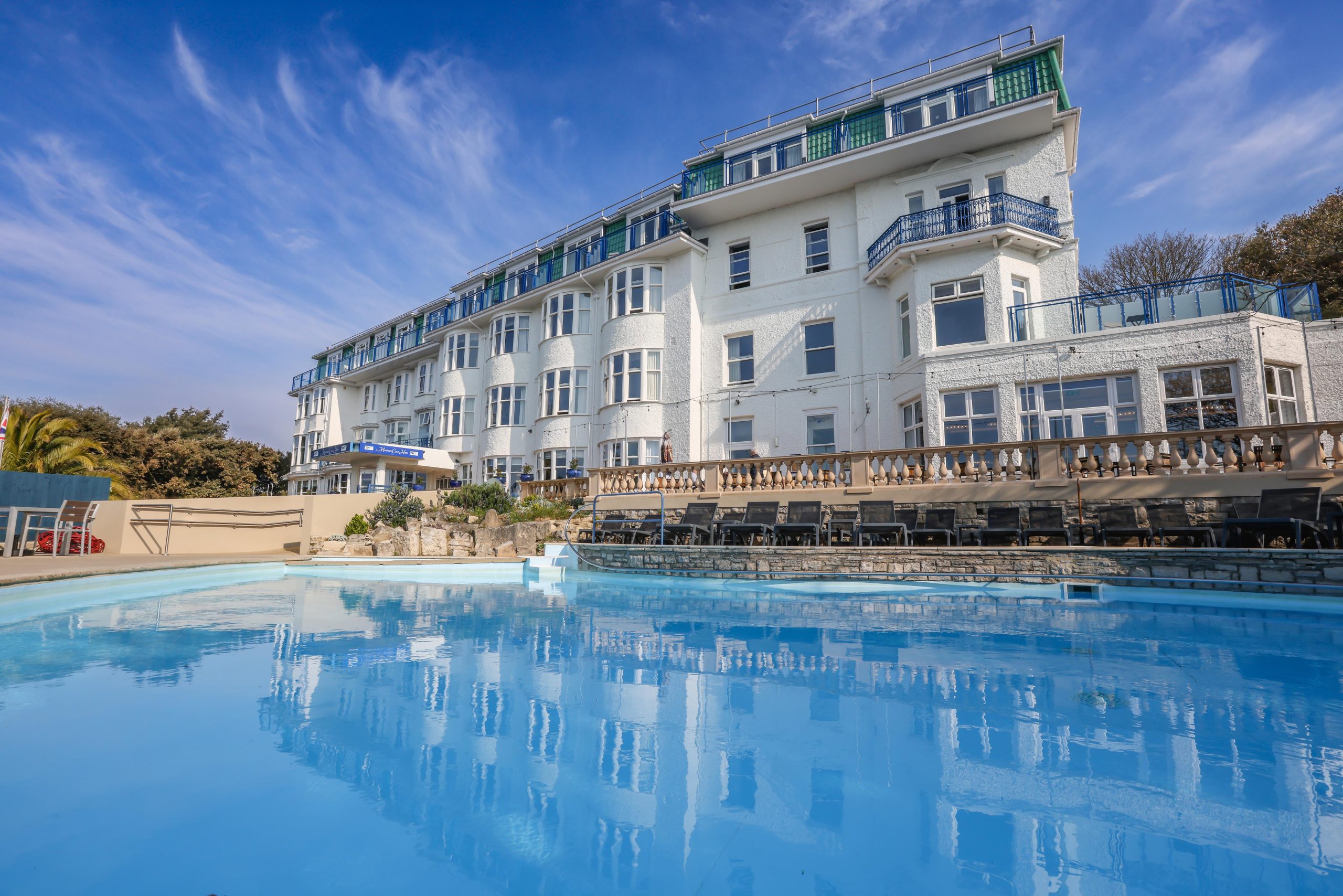
Most hotels are built with one main guest in mind. Marsham Court isn’t. It’s the sort of place that works because it understands that people arrive with different needs, often in the same week, sometimes on the same day.
You might have a family checking in for a seaside break, a business traveller here for a meeting, and locals coming in to eat or join an event. Done badly, that mix can feel chaotic. Done well, it creates a hotel with atmosphere, energy, and a sense of purpose beyond “somewhere to sleep”.
Marsham Court is a seafront hotel in Bournemouth, positioned as a full-service four-star stay, and it’s set up to handle that mix through flexibility, shared spaces, and practical design choices that make it easy to belong, even if you’re here for completely different reasons.
A location that works for different kinds of stays
The seafront setting does a lot of the heavy lifting. For families, it’s the pull of the coast and the promise of fresh air. For business travellers, it’s the mental reset that comes from stepping outside and seeing the sea rather than traffic. For locals, it’s a familiar landmark in the background of everyday life.
That location also makes it easy to shift gears. It’s one of the reasons a single hotel can suit different audiences without feeling like it’s trying too hard to be everything at once.
Spaces designed to be shared, not just passed through
The best multi-audience hotels don’t separate people into boxes. They create spaces where everyone can use the building in their own way.

At Marsham Court, that shows up in the way the hotel talks about lounges and terraces as places you can genuinely settle, not just walk through. It also shows up in practical flexibility, like meeting and event spaces that can be adapted for different group sizes and formats, rather than forcing every booking into the same template.
For business guests, that adaptability matters. Meetings rarely run exactly to plan. Breakout moments, last-minute changes, and the need for a quieter corner are all part of real working travel. The hotel’s meeting offer is framed around that reality, with support and inclusions designed to make the day run smoothly.
Comfort that suits families, business stays, and everything in between
When a hotel caters to mixed audiences, the rooms need to work hard. They can’t be fussy, and they can’t rely on one style of guest.
Marsham Court describes its bedrooms as balancing relaxation and practicality, with straightforward in-room essentials such as en-suite bathrooms, tea and coffee-making facilities, and flat-screen TVs. It also sets expectations clearly about seasonal comfort: fans in summer, supplementary heaters in cooler months, and although there is no air conditioning currently, there are plans to install it in future.
That clarity is part of what keeps different guests happy. Families need to know what to expect. Business travellers want certainty. Locals booking rooms for visiting friends or a special occasion don’t want surprises.
Facilities that help people feel like they can stay awhile
One of the easiest ways to please a wide mix of guests is to offer something that helps people slow down.
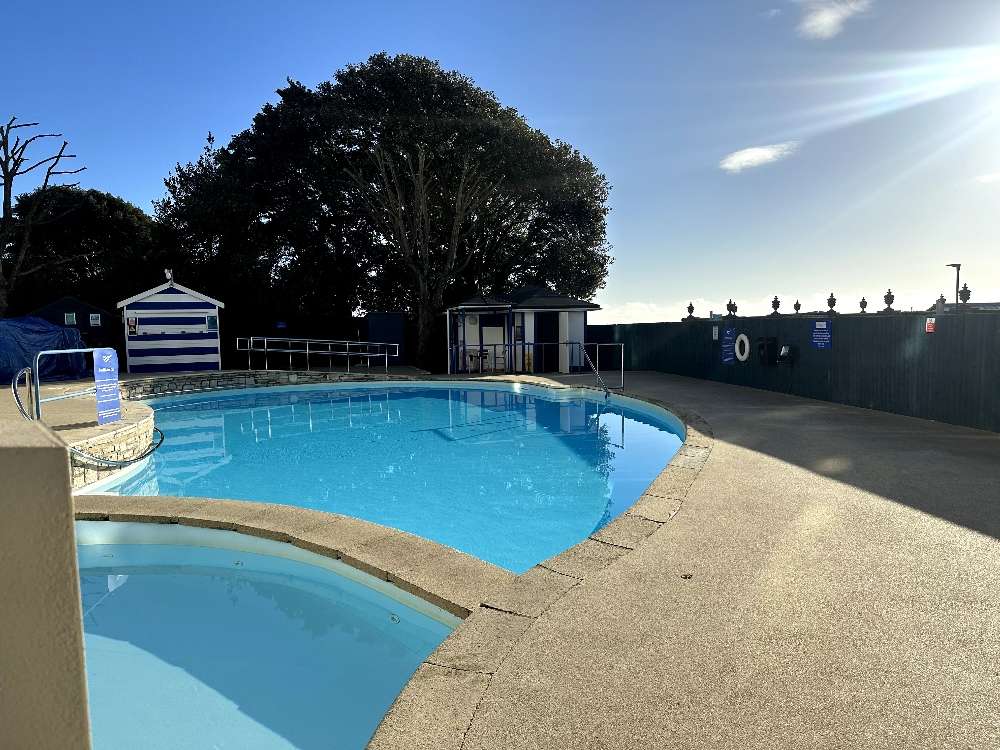
Marsham Court’s outdoor pool is a strong example. Open and heated seasonally from May to September (weather permitting), with specific opening hours, it also offers cold water swimming from October to March. That gives leisure guests a reason to stay on-site, and it gives everyone a shared, seasonal “this is the place” feature.
It’s also practical. Poolside changing rooms and accessible toilets are part of the set-up, which speaks to the hotel’s wider approach: make the building easier to use for more people.
A hotel that treats inclusion as a real-world design problem
When you’re welcoming families, business travellers, and locals, accessibility can’t be an afterthought. It has to be baked into how the building works.
Marsham Court has specific accessibility facilities on-site, including a Changing Places toilet, and it also has a sensory room. Those aren’t vague claims. They’re tangible, meaningful features for guests with complex access needs, for families who need extra support, and for organisers planning group stays.
That’s one of the clearest ways a hotel proves it can serve diverse guests well: by making comfort and dignity part of the infrastructure, not a special request.
So what’s the ‘secret’ to keeping everyone happy?
It’s not about trying to please everyone with the same experience. It’s about making the hotel easy to use in different ways, without friction.
Here’s what that looks like in practice:
- A location that supports both switching off and getting things done
- Shared spaces that work for relaxing, working, and meeting
- Rooms with practical comforts and clear expectations
- Facilities that add value for leisure guests without getting in the way of business stays
- Inclusion features that are specific, useful, and thoughtfully integrated
Explore rooms, browse the latest offers, and plan a stay at Marsham Court that fits how you travel.





Leave a Comment